

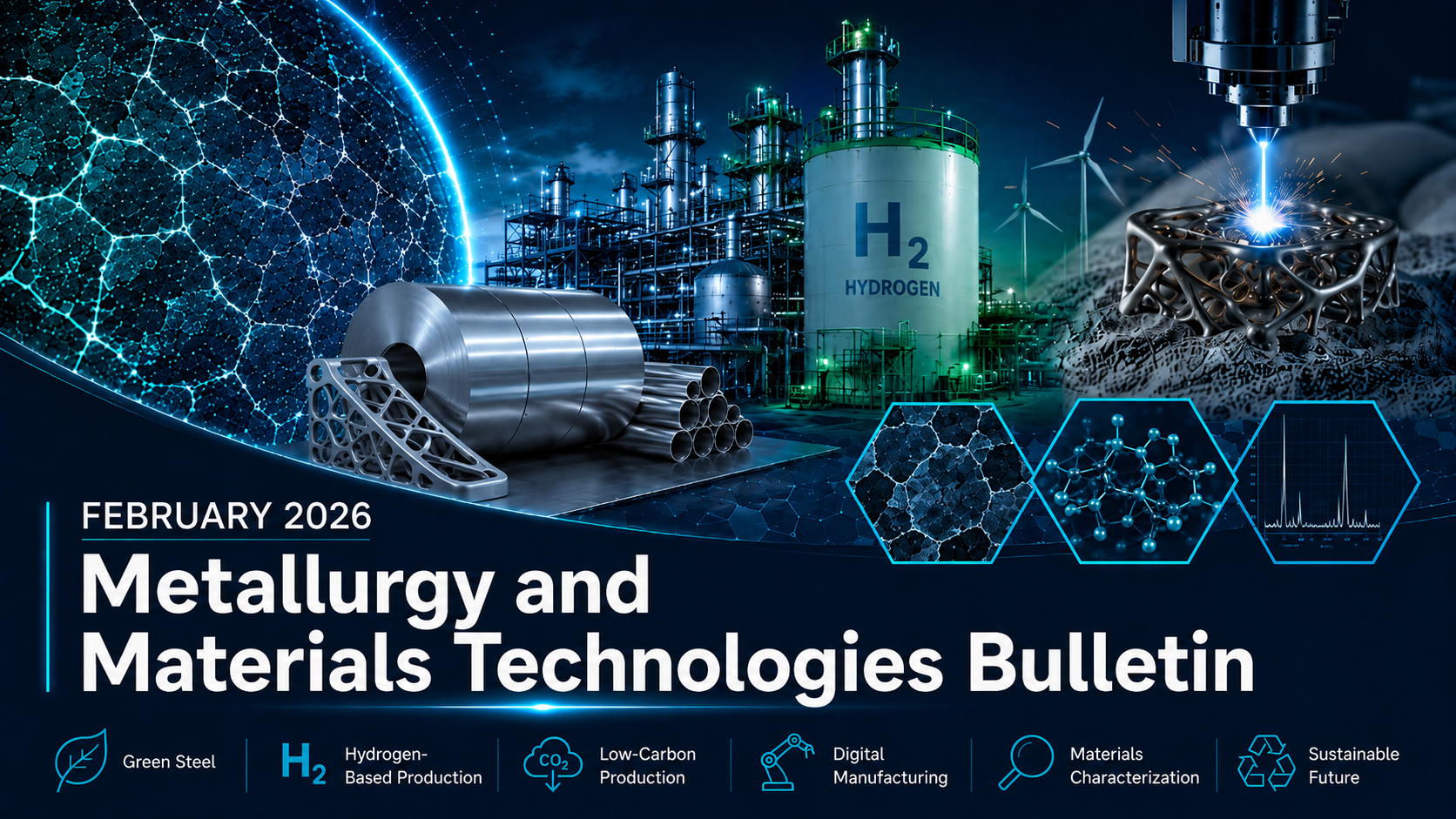
Brief Summary
Highlights of the Month
3.1 Türkiye increased crude steel production
According to the Turkish Steel Producers Association, Türkiye’s crude steel production rose by 3.4% year-on-year to 3 million tonnes in February 2026. In the January-February period, production increased by 4.7% to 6.4 million tonnes.
3.2 Global crude steel production declined
According to the World Steel Association, crude steel production from 69 reporting countries reached 141.8 million tonnes in February 2026, representing a 2.2% decrease compared with February 2025.
3.3 CBAM shaped the industrial agenda
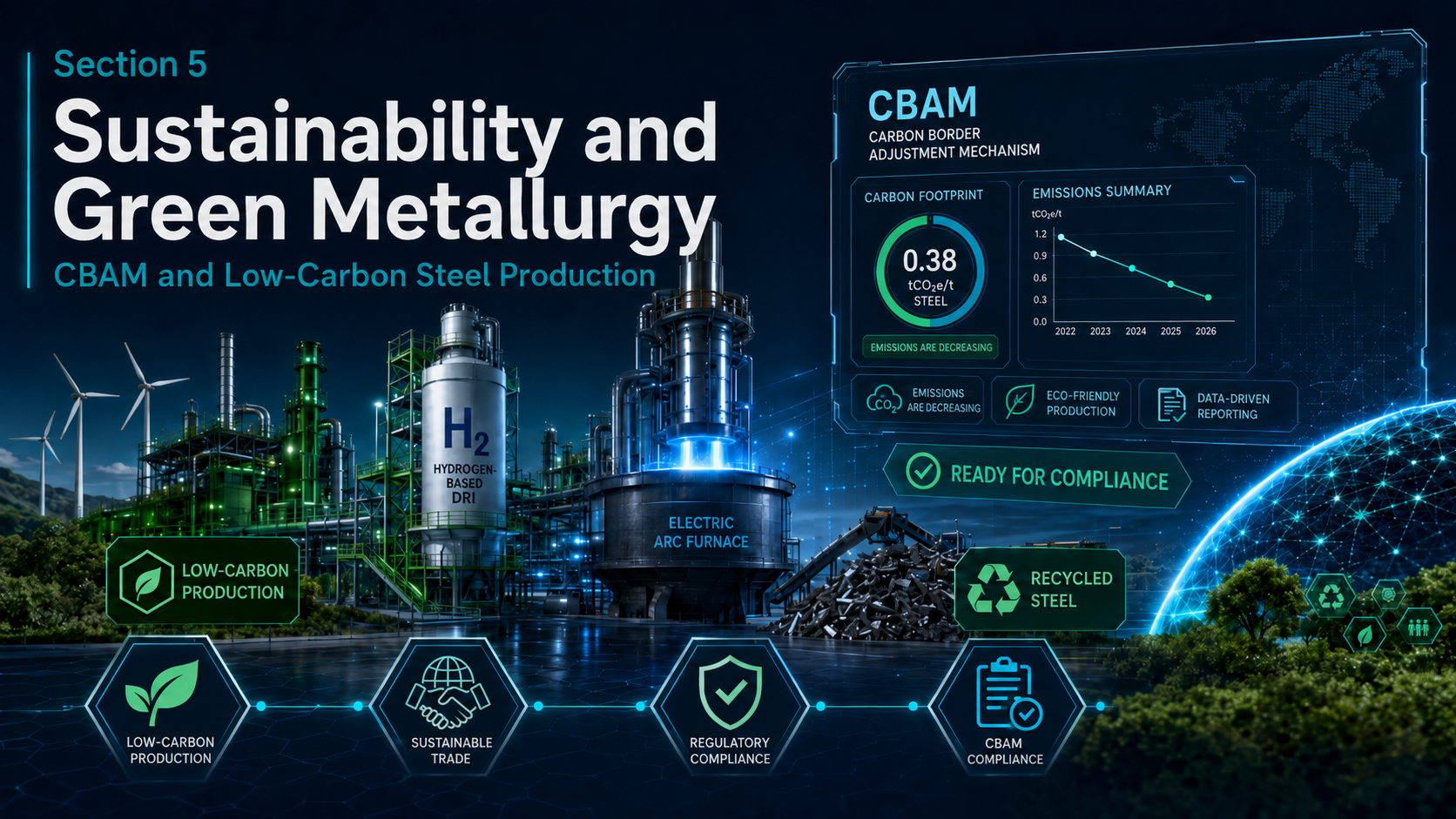
As CBAM entered its definitive regime in 2026, monitoring and verification of embedded emissions became more important for sectors such as iron and steel, aluminium, cement, fertilisers, hydrogen, and electricity.
3.4 Competition accelerated in green steel investments
According to IEEFA’s February 2026 analysis, green steel momentum is shifting toward regions such as Asia and the Middle East. Hydrogen-based DRI and electric arc furnaces remain among the most important technologies for low-carbon steelmaking.
New Developments in Metallurgy and Materials Technologies
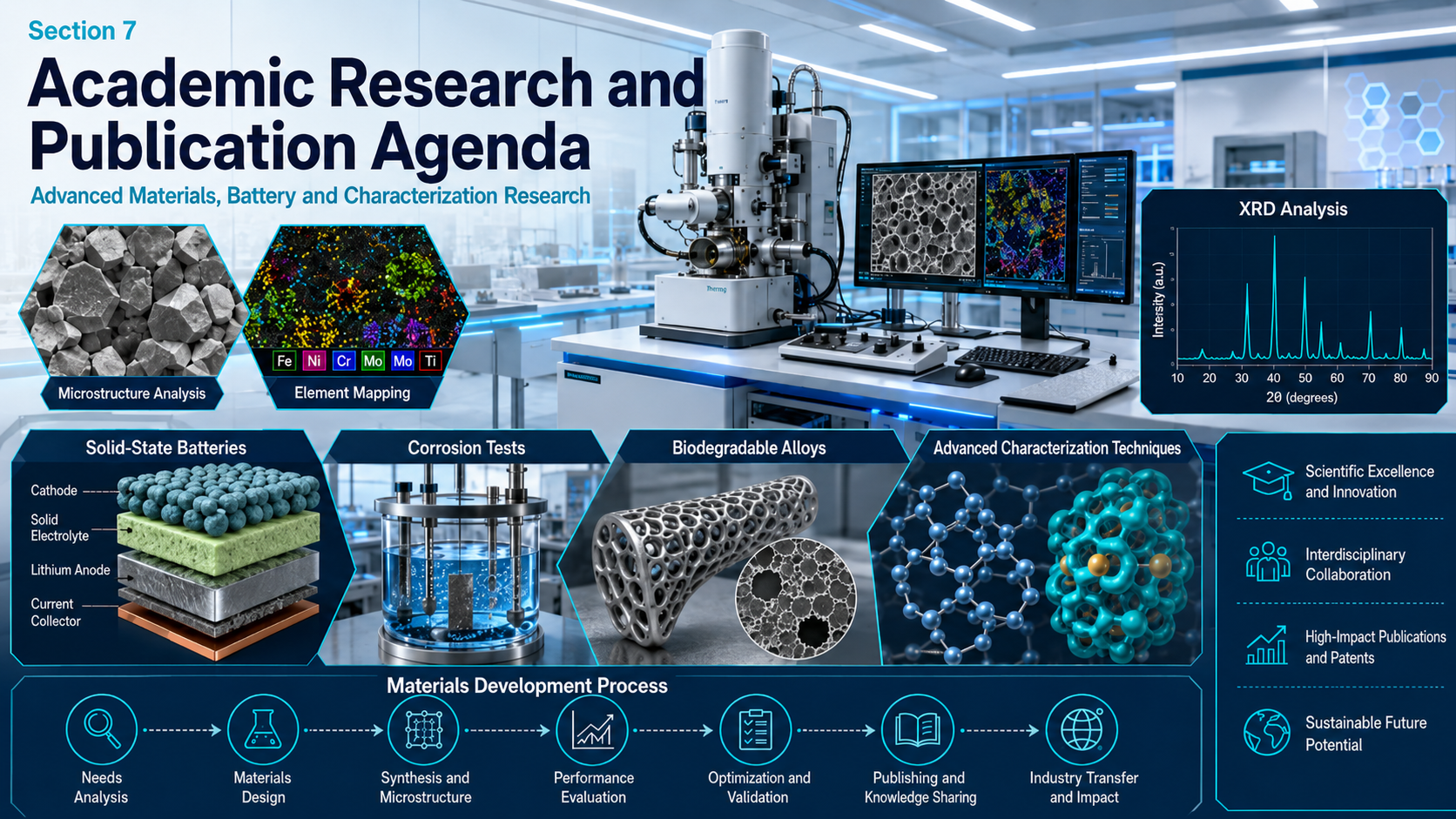
In February 2026, the advanced materials agenda highlighted solid-state battery electrolytes, AI-assisted materials discovery, corrosion resistance, and additively manufactured metallic materials. A study reported by EurekAlert focused on using artificial intelligence to identify optimal composition and density conditions for amorphous solid electrolytes in all-solid-state batteries. This approach is important for battery safety, energy density, and cycle life.
In additive manufacturing, research on process reliability, metal multi-material production, and corrosion behaviour continued to attract attention. Metal additive manufacturing remains strategically important for aerospace, medical implants, energy equipment, and advanced alloy production.
Section 4
Türkiye’s steel sector showed a positive production trend in February 2026, while the decline in global crude steel output indicated continuing pressure from demand uncertainty, energy costs, and regional competition. Türkiye’s production growth in the January-February period is particularly important for electric arc furnace-based production capacity and export market adaptation.
For industry, three topics stood out: carbon footprint calculation, process efficiency, and digital quality control. Due to CBAM, reliable product-level emissions reporting is becoming a commercial requirement for the iron-steel and aluminium sectors.
Section 5
In February 2026, the green metallurgy agenda centred on hydrogen-based DRI, electric arc furnaces, low-carbon raw material strategies, and circular economy. IEEFA noted that investment momentum in the green steel transition is also shifting beyond Europe, with regions such as Oman becoming important candidates for green iron and low-carbon steel production.
In Europe, SEI emphasised that delays in green steel could affect not only climate targets but also industrial competitiveness. Therefore, low-carbon steelmaking is no longer only an environmental preference; it has become a strategic issue for energy security, supply chains, and market access.
Section 6
Section 7
February 2026 References
1 - World Steel Association – February 2026 crude steel production. Go to Source
2 - Turkish Steel Producers Association – February 2026 press bulletin. Go to Source
3 - European Commission – CBAM information and definitive regime. Go to Source
4 - IEEFA – Green steel transition and investment momentum. Go to Source
5 - SEI – Green steel and European industrial competitiveness. Go to Source
6 - EurekAlert – AI-assisted solid-state battery electrolyte materials study. Go to Source
7 - ScienceDirect / CIRP Annals – Metal multi-material additive manufacturing. Go to Source
8 - Springer / Nature contents – Corrosion and materials degradation studies. Go to Source